
Choosing dental implants is an important decision, especially if you want a replacement tooth that can function comfortably for many years. With several dental implant systems available, patients often wonder which brand offers the best durability, reliability, and long-term results.
The best dental implant system depends on your jawbone health, gum condition, treatment needs, and the dentist’s experience. Established manufacturers offer different implant designs, materials, and components, but no single brand is guaranteed to last longer for every patient.
If you are considering dental implants in Kent, Renton, Covington, or Sumner, Washington, understanding how these systems differ can help you have a more informed conversation with your dental provider.
In this guide, we will explore several established dental implant systems, the factors that influence their long-term performance, and how to choose an option suited to your needs.
1. What Makes a Dental Implant System Suitable for Long-Term Use?
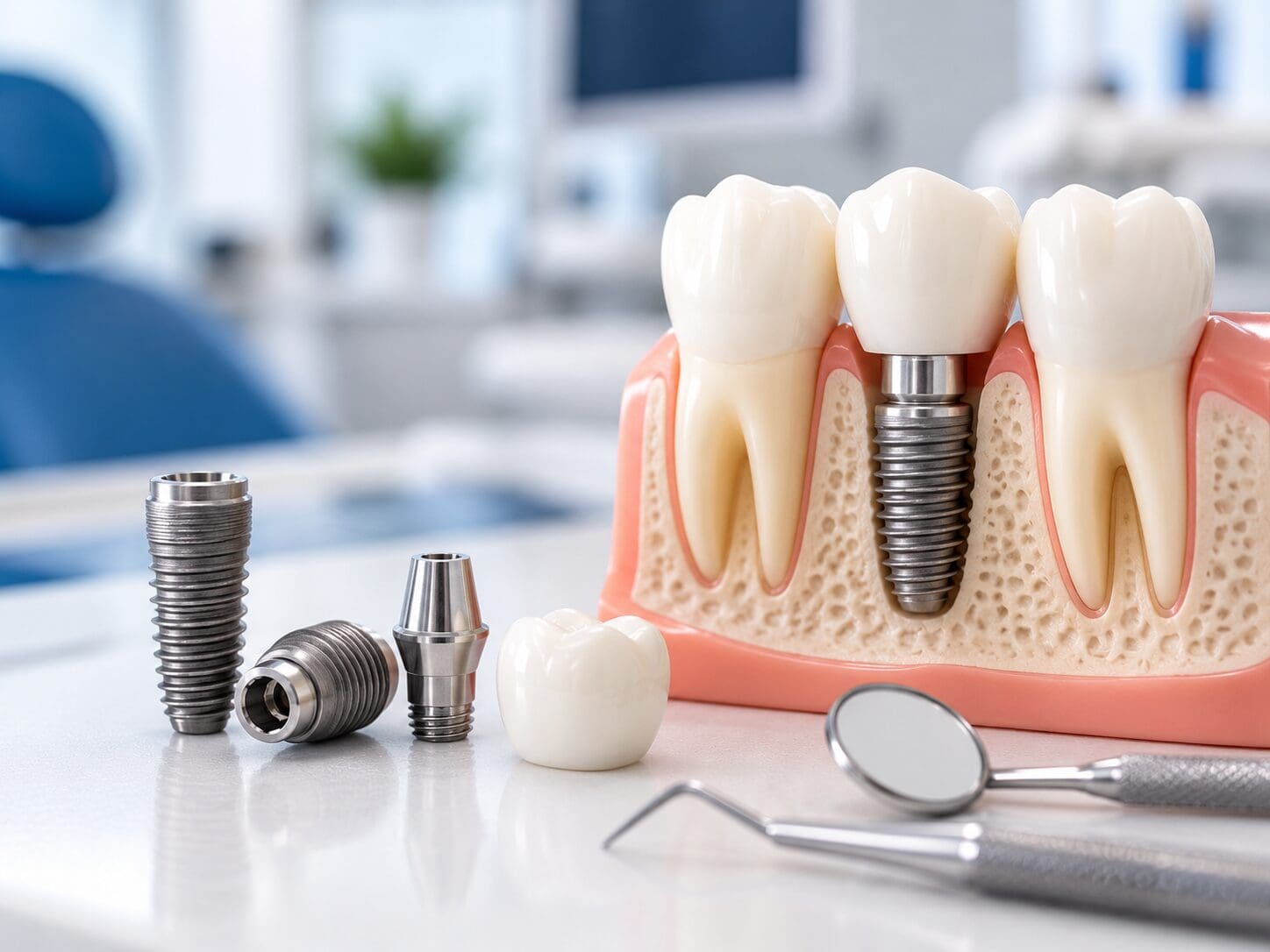
A dental implant replaces the root of a missing tooth and supports a restoration such as a crown, bridge, or denture. The system typically includes the implant body, an abutment that connects the implant to the restoration, and the replacement tooth or teeth.
Several factors influence how well an implant performs over time.
- Material quality: Many implants are made from titanium or titanium alloys. Zirconia ceramic implants are another option for selected patients.
- Implant design: Shape, surface characteristics, and connection design can influence how the implant integrates with bone and supports the restoration.
- Treatment planning: The dentist must consider bone volume, gum health, bite forces, and the position of nearby teeth.
- Long-term maintenance: Daily oral hygiene and regular dental checkups help identify potential problems early.
- Patient health: Smoking, uncontrolled diabetes, and existing gum disease can increase the risk of complications.
Dental implant systems must meet applicable safety and regulatory requirements, but regulatory clearance does not mean that one brand is universally superior to another. Your dentist should select a system based on your clinical needs and the available evidence.
2. Established Dental Implant Systems to Know
Several manufacturers have established dental implant systems used in restorative dentistry. The following examples can help you understand the options your dentist may discuss.
Straumann Dental Implants
Straumann is a Swiss dental implant manufacturer known for its implant systems, titanium-based products, and research into implant materials and surface technology.
Its portfolio includes different implant designs intended for different clinical situations. The appropriate option depends on factors such as bone quality, available space, and the type of restoration being planned.
When discussing Straumann implants with your dentist, ask which specific system is suitable for your case and what long-term clinical evidence supports its use.
Nobel Biocare Dental Implants
Nobel Biocare is another established manufacturer that offers implant systems for replacing individual teeth, several missing teeth, and complete dental arches.
Its products include options used in full-arch rehabilitation, where a fixed restoration replaces most or all teeth in an arch. Treatment planning is particularly important in these cases because implant position, bite forces, bone support, and restoration design all affect long-term function.
Ask your provider how the proposed system will support your restoration and what maintenance it may require.
Zimmer Biomet Dental Implants
Zimmer Biomet offers dental implant systems and restorative components used in implant dentistry.
Its range includes options for different bone conditions and restorative requirements. The choice of implant diameter, length, connection, and supporting components depends on the patient’s anatomy and the treatment plan.
For long-term use, it is important to understand not only the implant itself but also how the final crown, bridge, or denture will be maintained and repaired if necessary.
BioHorizons Dental Implants
BioHorizons develops dental implant systems and related restorative products for a range of tooth-replacement needs.
When considering this system, ask your dentist about the specific implant model, its documented clinical performance, and whether the components required for future maintenance will remain accessible.
As with other manufacturers, the brand alone cannot predict the outcome. Appropriate placement, healthy supporting tissues, and ongoing care remain important.
Osstem Dental Implants
Osstem is a South Korean dental implant manufacturer with implant systems used in various restorative situations.
Different models may be suitable for different bone conditions and treatment plans. Your dentist should explain why a particular implant design is appropriate rather than choosing a system based only on brand recognition or price.
Important: These manufacturers are examples of established implant-system providers, not a ranking of the best brands. The most suitable system is the one that fits your treatment needs and has appropriate supporting evidence.
3. Titanium vs. Zirconia: Which Implant Material Is Better?
Material is another consideration when comparing dental implant systems.
Titanium implants
Titanium and titanium-alloy implants are widely used because they can integrate with the jawbone and have substantial clinical experience behind them. They are available in many designs and can support single crowns, bridges, and full-arch restorations.
Zirconia implants
Zirconia is a ceramic material that may appeal to patients seeking a metal-free option. However, the amount and duration of long-term clinical evidence vary by system and indication.
The two materials are not interchangeable choices for every patient. Your dentist can evaluate your anatomy, treatment goals, and the evidence available for the proposed system before recommending one.
4. How Long Can Dental Implants Last?
Dental implants can remain functional for many years, and research has documented high long-term survival rates across implant systems. However, implant survival does not necessarily mean that every surrounding tissue remains healthy or that the attached crown or bridge never needs repair.
A 2026 systematic review reported approximately 95% implant survival across studies with 10–25 years of follow-up, while also highlighting differences in biological health and treatment-success measures.
The lifespan of an individual implant depends on several factors:
- The quality and quantity of supporting bone.
- Healthy gums and effective plaque control.
- The dentist’s treatment planning and surgical technique.
- Smoking and other health-related risk factors.
- Bite forces, teeth grinding, and the design of the restoration.
- Regular professional examinations and maintenance.
The crown, bridge, or denture attached to an implant may need maintenance or replacement even when the implant itself remains stable.
There is no guaranteed lifespan for any particular brand. Your dentist can discuss realistic expectations based on your individual circumstances.
5. How to Choose the Right Dental Implant System
Before starting treatment, ask your dentist a few practical questions.
1. Which implant brand and model will you use? Request the manufacturer’s name and the specific system being recommended.
2. Why is this system appropriate for me? Your provider should explain how it fits your bone condition, treatment goals, and restoration needs.
3. What does the long-term evidence show? Ask about clinical studies relevant to your proposed treatment rather than relying on advertising claims.
4. Will replacement components be available? Future maintenance may be easier when compatible components and technical information are accessible.
5. What will maintenance involve? Find out how often you need checkups, how to clean around the implant, and which warning signs require attention.
6. What is included in the total treatment cost? Clarify whether the estimate includes the implant, abutment, crown or denture, imaging, additional procedures, and follow-up care.
A clear treatment plan helps you compare options based on clinical suitability, maintenance, and overall cost rather than brand name alone.
6. Maintaining Dental Implants for Long-Term Results
Once your implant treatment is complete, protecting your oral health becomes an ongoing responsibility.
Brush twice daily with a soft-bristled toothbrush and clean between your teeth and around your implant restoration using the tools recommended by your dental provider. Attend regular checkups so your dentist can assess the implant, surrounding gums, bite, and restoration.
Avoid smoking, and discuss any medical conditions or medications that could affect healing with your provider.
Contact your dentist if an implant or its restoration feels loose, becomes painful, or develops swelling around the surrounding gums. Early evaluation may help identify complications before they become more serious.
Frequently Asked Questions
1. Which dental implant brand is best for long-term use?
There is no single best brand for every patient. Systems from manufacturers such as Straumann, Nobel Biocare, Zimmer Biomet, BioHorizons, and Osstem have different designs and components. Your dentist should recommend a system based on your clinical needs and the supporting evidence.
2. Can dental implants last a lifetime?
Some implants remain functional for decades, but a lifetime result cannot be guaranteed. Implant health, bone support, oral hygiene, smoking, bite forces, and regular maintenance all influence long-term outcomes.
3. Are titanium dental implants better than zirconia implants?
Titanium implants have a substantial history of clinical use. Zirconia offers a ceramic, metal-free alternative for selected situations, but the available long-term evidence differs by system and treatment type. Your dentist can help determine which option is appropriate.
4. What factors cause dental implants to fail?
Possible causes include infection, inadequate bone integration, peri-implant disease, excessive forces, smoking, and certain uncontrolled health conditions. Careful treatment planning and ongoing maintenance can help reduce risks.
5. How can I maintain my dental implants for many years?
Brush twice daily, clean around your implants every day, attend regular dental checkups, and follow your dentist’s maintenance instructions. Report pain, swelling, or looseness promptly so the problem can be evaluated.
Conclusion
The best dental implant system for long-term use is not necessarily the most expensive or most widely advertised brand. Straumann, Nobel Biocare, Zimmer Biomet, BioHorizons, and Osstem are examples of manufacturers offering different implant options, but the right choice depends on your oral health, treatment requirements, and the evidence supporting the specific system.
If you are considering dental implants in Kent, Renton, Covington, or Sumner, Washington, speak with a qualified dental provider about your options, expected maintenance, and long-term treatment plan.
Complete Dental Care WA serves patients across these four communities. Visit the Complete Dental Care WA website to explore dental services and learn more about your tooth-replacement options.
